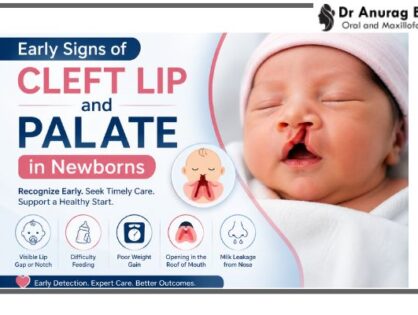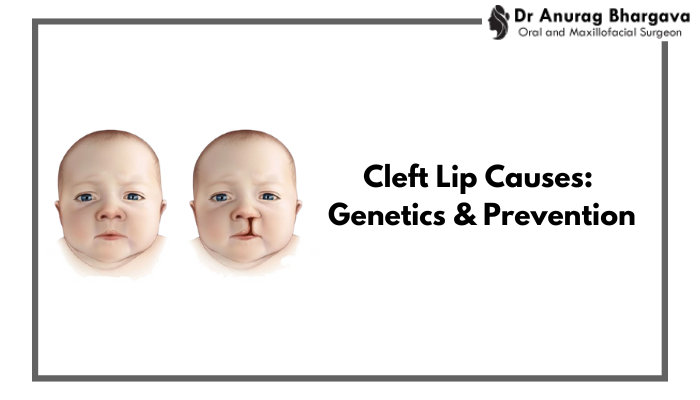
A cleft lip is a split or gap in the upper lip, forming when the tissues that create the lip don’t fuse properly during early fetal development. It’s one of the most common birth defects.
In many cases, the exact cause is unknown. But scientists believe it often comes down to a mix of inherited genetics and environmental influences.
Let’s explore the major causes, identify risk factors, and see what expecting parents can do to help prevent cleft lip.
Genetics: The Inherited Piece of the Puzzle
Genes play a significant role in whether a baby develops a cleft lip. If a parent, sibling or relative has a cleft lip (or cleft palate) the risk increases.
Many cleft lip cases are nonsyndromic (just the cleft and no other major anomaly). These often involve multiple genes each contributing a small effect rather than one single “cleft gene.”
There are also syndromic cases: the cleft lip forms part of a broader genetic syndrome involving other features. In these cases, single gene mutations or chromosomal issues may be involved.
One recent study found that genetic mutations alone may not trigger a cleft — the mutation plus certain environmental triggers seem to combine to cause the defect.
In short: if genetic susceptibility is present, the risk can go up — but it’s not the entire story.
Environmental & Maternal Risk Factors
Even with a healthy genetic baseline, certain maternal or in-womb conditions can raise the chances of a cleft lip. These include:
- Tobacco smoking or exposure to second-hand smoke during pregnancy. This is a consistent risk factor.
- Alcohol use during early pregnancy or heavy drinking.
- Poor maternal nutrition, especially low levels of folic acid (vitamin B9) in early pregnancy.
- Obesity or uncontrolled diabetes in the mother. Research shows this increases risk.
- Use of certain medications in early pregnancy: antiseizure drugs, acne drugs (like isotretinoin), medicines that interfere with folate metabolism.
- Infections or inflammatory conditions in early pregnancy. One study showed inflammation plus a genetic mutation triggered higher cleft risk.
These factors underscore how the womb environment matters alongside genetic predisposition.
How Genetics & Environment Interact
Modern research shows that cleft lip is rarely caused by genes or environment alone. Instead, it’s often the interaction between the two.
For example, a child might inherit a weaker gene for facial development. On its own, the gene might not cause a cleft. But if the mother smokes or has low folate, these environmental stressors may trigger the defect.
This makes sense when you consider facial development happens in early pregnancy (weeks 4–7 for the lip) when the embryo is especially vulnerable.
So the good news: by improving the maternal environment, you may reduce risk even if genetic susceptibility is present.
Prevention: What Expectant Parents Can Do
While you can’t control genes, many environmental factors are modifiable. Here are key prevention steps:
- Start folic acid early. Women planning pregnancy or who are pregnant should take at least 400 micrograms of folic acid daily — ideally before conception and through the first trimester.
- Avoid smoking and second-hand smoke. Quitting smoking before and during pregnancy is one of the most effective ways to reduce cleft risk.
- Avoid alcohol use in early pregnancy. Even moderate drinking is linked to increased birth defect risk.
- Manage chronic health issues. If you have diabetes or obesity, work with a physician to get it under control before pregnancy.
- Review medications. Discuss with your doctor if you are on drugs like antiseizure meds or acne medications that may raise risk. There may be safer alternatives or timing strategies.
- Eat a nutritious diet. A balanced diet with vitamins, minerals and antioxidants supports healthy development.
- Seek prenatal care early. Regular check-ups help monitor fetal development and identify risks early.
- Avoid exposure to harmful substances. Minimize exposure to workplace chemicals, heavy pollution, certain infections and extreme stress which may affect fetal development.
These steps don’t guarantee prevention (because genetics may still play a role), but they reduce risk meaningfully.
Understanding Risk & Expectations
It’s important to understand that even with perfect prenatal care, some babies will still be born with a cleft lip or palate. In many cases, the cause remains unknown.
If a parent or sibling has a cleft, the risk goes up — but it still remains modest (often in the range of a few percent) depending on family history and other factors. Genetic counselling may help in understanding these risks specifically for your family.
Work with your healthcare provider to understand your personal risk profile. Their guidance will factor in your health, history, medications and lifestyle.
Moving Forward: Hope & Care
When a baby is born with a cleft lip (with or without palate involvement), the treatment and support available today are excellent. These include surgical repair, speech therapy, orthodontics and psychosocial support. Early intervention means that most children go on to lead full, healthy lives.
From the prevention side, the takeaway is clear: while you can’t change your genes, you can optimize your environment and reduce risk. By taking steps early and seeking good prenatal care, you give your child the best chance.
Summary
Cleft lip is a complex condition rooted in both genetics and the womb environment. Knowing that it’s seldom caused by one factor alone can help reduce guilt or finger-pointing. What you can do is take proactive steps: support your health, avoid harmful exposures, ensure good nutrition and keep your healthcare team engaged. Every positive decision matters.
If you have a family history of cleft lip or are concerned about risk, speak to your medical team or a genetic counsellor. With the right planning and care, you can work towards the healthiest pregnancy and development possible.