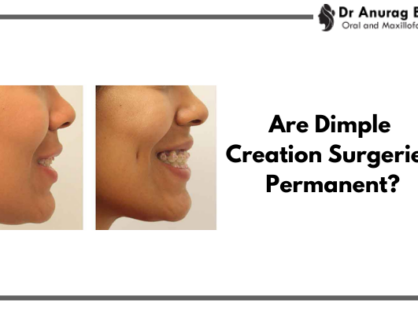
There’s something undeniably charming about a smile with dimples. Whether it’s a small indentation on the cheeks or a subtle dimple that appears when someone laughs, many people find them attractive and youthful.
The interesting thing is that not everyone is naturally born with dimples. That’s why an increasing number of people are exploring dimple creation procedures to achieve the look they’ve always wanted.
If you've ever wondered how to get dimples permanently or are considering dimple surgery, this guide will walk you through everything you need to know before making a decision.
From the procedure itself to recovery, risks, benefits, and results, here’s your complete introduction to dimpleplasty.
What Is Dimpleplasty?
Dimpleplasty is a minor cosmetic procedure designed to create artificial dimples on the cheeks.
The procedure creates a small connection between the cheek muscle and the skin, producing a natural-looking indentation that appears when smiling. The goal of dimple creation is to mimic naturally occurring cheek dimples, giving the face a more youthful and expressive appearance. Because it is relatively quick and minimally invasive, dimpleplasty has become one of the most popular facial cosmetic procedures.
Why Do People Want Dimples?
Many people associate dimples on face with:
- Youthfulness
- Attractiveness
- Friendliness
- A cheerful smile
Natural dimples are often considered a desirable facial feature because they can make facial expressions appear more engaging.
For people who weren't born with dimples, dimple surgery offers a way to achieve a similar appearance.
What Causes Natural Dimples?
Before discussing surgery, it helps to understand why some people naturally have dimples.
Dimples occur because of a variation in the facial muscle called the zygomaticus major muscle.
In some individuals, the muscle is structured differently, creating a visible indentation when smiling.
This is why natural cheek dimples often appear only during facial expressions.
Dimpleplasty aims to recreate this effect surgically.
How Does Dimple Creation Surgery Work?
The procedure is relatively simple.
The surgeon creates a small incision inside the mouth, meaning there are usually no visible external scars.
A tiny amount of tissue is removed, and a suture is placed between the cheek muscle and the skin.
This creates a small indentation that becomes visible when smiling.
Over time, the tissue heals around this connection, producing the appearance of natural-looking dimples.
How Long Does the Procedure Take?
One reason many people choose dimple surgery is because it is quick.
Most procedures take:
- 20–40 minutes
- Local anesthesia only
- No hospital admission required
Patients can typically return home shortly after the procedure.
Can You Choose Where the Dimples Are Placed?
Yes. One of the advantages of modern dimple creation procedures is customization.
During consultation, the surgeon helps determine:
- Dimple position
- Dimple depth
- Symmetry
- Whether to create one or two dimples
Many patients bring reference photos to discuss their preferences.
The final placement is based on facial proportions and natural aesthetics.
What Happens During Recovery?
Recovery is usually straightforward.
Most patients experience:
- Mild swelling
- Slight tenderness
- Temporary tightness
These symptoms generally improve within a few days.
Initially, the dimples may appear even when you're not smiling.
This is completely normal.
As healing progresses, they gradually begin appearing only during facial expressions, creating a more natural result.
How Long Does It Take to See Final Results?
The healing process varies from person to person.
Generally:
- Initial healing: 1–2 weeks
- Swelling reduction: 2–4 weeks
- Final appearance: Several weeks to a few months
As tissues settle, the dimples become softer and more natural-looking.
Are Dimple Surgery Results Permanent?
In most cases, yes. The results of dimpleplasty are considered long-lasting and often permanent.
However, individual healing patterns may vary.
In rare situations, the dimple may become less visible over time.
Most patients continue enjoying their results for many years.
Is Dimple Surgery Painful?
This is one of the most common concerns.
The procedure is performed under local anesthesia, so patients generally do not feel pain during treatment.
After surgery, mild discomfort may occur, including:
- Swelling
- Tenderness
- Mild soreness
Most people describe recovery as manageable and relatively comfortable.
Who Is a Good Candidate for Dimpleplasty?
You may be a suitable candidate if:
- You are in good general health
- You have realistic expectations
- You desire permanent cheek dimples
- You understand the procedure and recovery process
A consultation helps determine whether dimple surgery is right for you.
Benefits of Dimple Creation Surgery
There are several reasons why people choose dimpleplasty.
Enhanced Smile
Dimples can make smiles appear more expressive and engaging.
Youthful Appearance
Many people associate dimples on face with youthfulness.
Quick Procedure
Treatment usually takes less than an hour.
Minimal Scarring
Because the procedure is performed inside the mouth, visible scars are generally avoided.
Long-Lasting Results
Most patients enjoy permanent improvements.
Are There Any Risks?
Like any cosmetic procedure, dimple surgery carries some risks.
Potential complications may include:
- Swelling
- Infection
- Asymmetry
- Changes in dimple appearance
- Delayed healing
Fortunately, serious complications are uncommon when the procedure is performed by an experienced surgeon.
Can Dimpleplasty Look Natural?
Yes. One of the biggest concerns people have is whether artificial dimples will look fake.
A well-planned procedure focuses on:
- Proper placement
- Appropriate depth
- Facial harmony
The goal is subtle enhancement rather than an exaggerated appearance.
Natural-looking results are usually achieved through careful planning and surgical precision.
How to Get Dimples Without Surgery?
People frequently search for how to get dimples naturally.
Popular methods include:
- Facial exercises
- Makeup techniques
- Dimple clips
However, there is little scientific evidence that these methods create permanent dimples.
For individuals seeking lasting results, surgical dimple creation remains the most predictable option.
What Should You Ask During a Consultation?
Before undergoing dimple surgery, consider asking:
- Am I a suitable candidate?
- Where will the dimples be placed?
- What will recovery involve?
- How long until results look natural?
- What complications should I know about?
A detailed consultation helps ensure realistic expectations and informed decisions.
Things to Consider Before Getting Dimple Surgery
Before proceeding, think about:
Facial Balance
Dimples should complement your natural features.
Expectations
Understand that healing takes time.
Permanence
Dimpleplasty results are usually long-lasting.
Surgeon Experience
Choosing a qualified surgeon is one of the most important factors affecting results.
Final Thoughts
Dimples may seem like a small facial feature, but they can have a noticeable impact on facial expressions and confidence.
Modern dimple creation procedures offer a safe and effective way to achieve natural-looking cheek dimples for people who were not born with them.
If you've always admired dimples on face and wondered how to get dimples permanently, dimpleplasty may be worth exploring.
The key is understanding the procedure, having realistic expectations, and consulting an experienced professional who can help you achieve balanced, natural results.
Frequently Asked Questions (FAQs)
1. What is dimpleplasty?
Dimpleplasty is a cosmetic procedure that creates artificial cheek dimples by forming a small connection between the cheek muscle and skin.
2. Is dimple creation permanent?
Yes. Dimple creation results are generally long-lasting and often permanent, although healing outcomes may vary between individuals.
3. How long does dimple surgery take?
Most dimpleplasty procedures take approximately 20–40 minutes and are performed under local anesthesia.
4. Is dimple surgery painful?
No. The procedure is performed under anesthesia. Mild swelling and tenderness afterward are common but usually manageable.
5. Can I choose where my dimples will be?
Yes. Surgeons typically customize dimple placement based on facial structure, symmetry, and aesthetic preferences.
6. How long is recovery after dimpleplasty?
Most patients recover within one to two weeks, while final results continue improving over the following weeks.
7. Can dimple surgery leave scars?
Visible scars are uncommon because the procedure is usually performed through a small incision inside the mouth.
8. What are cheek dimples?
Cheek dimples are small indentations that appear on the cheeks during smiling due to variations in facial muscle structure.
9. How to get dimples naturally?
While facial exercises and dimple clips are popular, they typically do not create permanent dimples. Surgery remains the most reliable option.
10. Do dimples look natural after surgery?
Yes. When properly planned and performed, surgically created dimples usually appear natural and blend with facial expressions over time.
Ready to Enhance Your Smile?
If you're considering dimple creation and want natural-looking cheek dimples that complement your facial features, professional guidance is essential.
Schedule a consultation with Dr. Anurag Bhargava to learn more about dimpleplasty and discover whether this procedure is right for you.
About the Author
Dr. Anurag Bhargava is a qualified cosmetic and reconstructive surgeon specializing in facial deformity correction, rhinoplasty, jaw surgery, cleft lip and palate repair, and post-traumatic facial reconstruction. Dr. Bhargava is committed to delivering safe, evidence-based, and natural-looking results for patients of all ages.
BDS, MDS (Oral & Maxillofacial Surgery), FICOI (USA), Diplomate – WCOI (Japan)