Have you ever looked at your bite and wondered why your upper and lower teeth don't seem to fit together properly? Or perhaps you have difficulty chewing, your jaw looks noticeably uneven, or you feel that the proportions of your face are not quite balanced?
Sometimes, braces alone can solve the problem. But when the underlying issue comes from the position or size of the jawbones themselves, orthodontic treatment may not be enough.
This is where Orthognathic Surgery, commonly called corrective jaw surgery, comes into the picture.
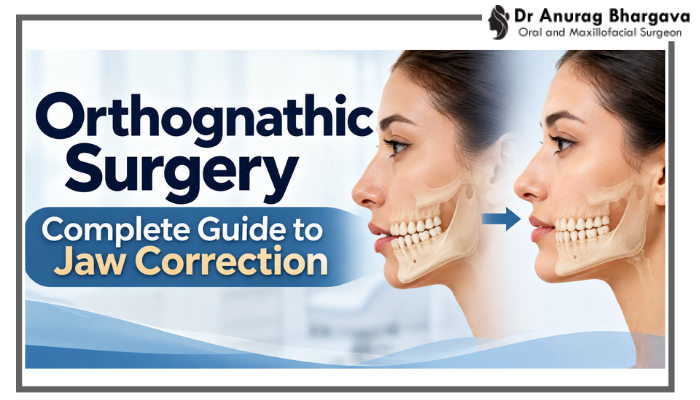
The word may sound complicated, but the basic idea is quite simple: orthognathic surgery is used to correct significant jaw and facial skeletal problems by repositioning the upper jaw, lower jaw, or both. The goal is to improve function and correct the underlying skeletal imbalance.
If you are considering jaw correction surgery, you probably have plenty of questions. Why is it needed? Can braces fix the problem instead? Will surgery change your face? How long does recovery take?
Let's go through everything step by step.
What Is Orthognathic Surgery?
Orthognathic Surgery is a type of corrective jaw surgery used when the upper jaw, lower jaw, or both are not positioned correctly.
The problem may develop because the jaws have grown differently, or it may be related to a congenital condition, previous trauma, or another skeletal issue.
The important thing to understand is that this isn't simply a procedure to "make the jaw look better."
Jaw position affects several everyday functions, including:
- Biting
- Chewing
- Speaking
- Swallowing
- Facial balance
- Jaw movement
When the underlying jaw relationship is corrected, improvements may occur in both function and facial proportions.
Why Is Jaw Correction Surgery Needed?
One of the most common questions patients ask is:
"Why can't I just get braces?"
Braces move teeth. They do not reposition the underlying jawbones.
If the problem is primarily skeletal, orthodontics alone may not be enough. Orthognathic surgery is considered when the relationship between the jaws cannot be adequately corrected with orthodontic treatment alone.
For example, a person may have:
- A significantly prominent lower jaw
- A lower jaw positioned too far back
- An upper jaw that is positioned too far forward or backward
- An open bite
- Significant facial asymmetry
- Difficulty achieving a functional bite
- Certain skeletal problems affecting chewing or speech
The exact indication depends on the individual's examination and treatment plan.
What Problems Can Orthognathic Surgery Correct?
There isn't one single type of jaw problem that leads to surgery.
Overbite and Underbite
An abnormal relationship between the upper and lower teeth may sometimes be related to the position of the jawbones.
In more significant skeletal cases, surgery may be combined with orthodontic treatment to establish a better bite.
Open Bite
An open bite occurs when certain upper and lower teeth don't meet properly when the mouth is closed.
Depending on the cause and severity, corrective jaw treatment may be considered.
Facial Asymmetry
Sometimes one side of the jaw develops differently from the other.
This can create noticeable facial asymmetry.
Corrective jaw surgery may be used to improve the underlying skeletal imbalance.
Difficulty Chewing
Jaw abnormalities can affect how efficiently the teeth come together and how food is chewed.
Correcting the skeletal relationship can help improve chewing function when the problem is caused by the jaw position. AAOMS identifies malocclusion and impaired masticatory function among the problems associated with facial skeletal abnormalities.
Other Functional Problems
Depending on the individual case, jaw skeletal abnormalities may also be associated with difficulties involving swallowing, speech, jaw movement, and other functions.
Does Orthognathic Surgery Change Your Face?
Yes, it can.
This is because moving the jawbones changes the underlying facial framework. The soft tissues overlying the bones also adapt to the new skeletal position.
However, the primary purpose of Orthognathic Surgery is to correct the underlying skeletal and functional problem, rather than simply change facial appearance.
During treatment planning, your surgeon and orthodontist consider both function and facial balance.
This is also why computer-assisted planning, photographs, X-rays, dental models, and other assessments may be used before surgery.
Who Is a Candidate for Orthognathic Surgery?
There isn't a single checklist that determines whether someone needs jaw surgery.
A person may be considered when:
- The jaws are significantly misaligned
- The bite cannot be adequately corrected with orthodontics alone
- There is a significant skeletal discrepancy
- Jaw asymmetry affects function or facial balance
- Chewing or other functions are affected by the skeletal problem
The final decision is made after a detailed assessment by the treating team.
Because jaw growth can affect the outcome, corrective jaw surgery is generally considered after significant facial growth has been completed. Some treatment programs therefore assess patients in the late teenage years or later.
Orthognathic Surgery and Braces: Why Are Both Needed?
This is an important part of the process.
Orthodontics and jaw surgery work together.
Before surgery, braces are generally used to position the teeth appropriately for the planned jaw movement.
The teeth may initially look less aligned during this phase. That's because the orthodontist is preparing them for the final jaw relationship rather than simply making them look straight before surgery.
After the jawbones are repositioned, additional orthodontic treatment helps fine-tune the bite.
The braces may therefore remain in place during and after surgery.
The total treatment timeline varies considerably from patient to patient.
How Is Orthognathic Surgery Planned?
Jaw surgery isn't something that should be planned based on appearance alone.
Your treatment team may evaluate:
- Facial proportions
- Jaw position
- Dental alignment
- Bite relationship
- Jaw movement
- X-rays
- Photographs
- Dental models or digital scans
Orthodontists and oral and maxillofacial surgeons commonly work together during the treatment process.
This detailed planning helps determine whether the upper jaw, lower jaw, chin, or a combination of structures needs correction.
What Happens During the Surgery?
Orthognathic surgery is performed under general anaesthesia.
Depending on the treatment plan, the surgeon may operate on:
- The upper jaw
- The lower jaw
- Both jaws
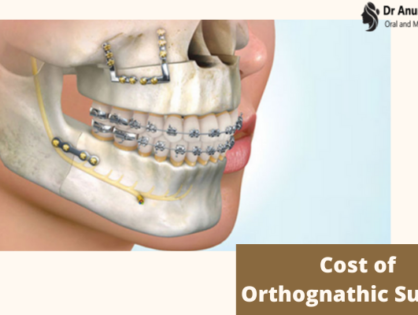
The jawbones are repositioned according to the surgical plan and stabilized, commonly using plates and screws.
Many jaw procedures are performed through incisions inside the mouth, meaning visible external scars are generally avoided. In some situations, a small external incision may be necessary, and this would normally be discussed beforehand.
How Long Does Orthognathic Surgery Take?
The duration depends on the type and complexity of the operation.
Some procedures may take around one to three hours, although the exact operating time varies between patients and surgical plans.
Your surgeon should give you a procedure-specific estimate during your pre-operative consultation.
What Is Recovery Like After Jaw Surgery?
Let's be honest: recovery requires patience.
Swelling and bruising are common, particularly during the first week. Swelling generally begins to reduce after the early post-operative period, although smaller amounts can remain for several months.
You may initially experience:
- Facial swelling
- Bruising
- Jaw stiffness
- Mouth opening restrictions
- Difficulty eating normally
- Temporary numbness or altered sensation
- Nasal blockage after upper-jaw surgery
These symptoms gradually improve as healing progresses.
What Can You Eat After Orthognathic Surgery?
Your diet will usually need to change temporarily.
Immediately after surgery, liquids may be easier to manage. You can then gradually progress to soft foods before returning to a more normal diet as healing allows. Some treatment protocols recommend a liquid diet initially followed by several weeks of soft food.
Your surgeon's specific dietary instructions should always take priority.
Good nutrition is particularly important during recovery because your body needs adequate energy and nutrients for healing.
How Long Does It Take to Recover?
There is no single recovery timeline that applies to everyone.
Many patients can gradually return to work or education within a few weeks, depending on the procedure and the nature of their daily activities. One NHS treatment program recommends approximately three weeks away from work for many upper- or lower-jaw procedures, but individual recommendations vary.
The visible swelling may continue improving for several months.
Complete bone healing and final settling take longer than simply feeling well enough to return to daily activities.
Is Orthognathic Surgery Painful?
Pain and discomfort are expected after major surgery, but modern pain-management techniques are used to keep discomfort under control.
Some patients describe the first few days as the most uncomfortable period. Swelling and jaw stiffness can also make the early recovery period challenging.
Your surgical team will provide specific instructions about medication and aftercare.
What Are the Possible Risks?
Like any major surgical procedure, Orthognathic Surgery has potential risks.
Possible complications can include:
- Bleeding
- Infection
- Swelling
- Numbness or altered sensation
- Jaw-joint symptoms
- Sinus-related problems after upper-jaw surgery
- Changes in bite
- Damage to teeth or dental work
- Anaesthesia-related complications
- Relapse or movement of the jaw position
Numbness or tingling can occur because nerves are located close to the surgical areas. In some patients, altered sensation can persist, particularly following lower-jaw surgery.
Your surgeon should explain the specific risks relevant to your procedure before you consent to treatment.
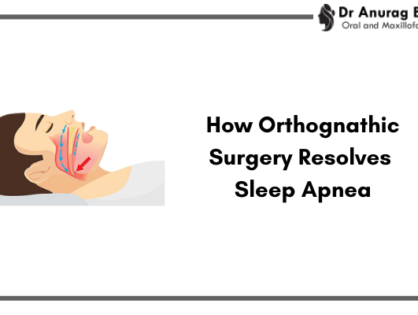
Can Orthognathic Surgery Improve Breathing?
It can in selected patients.
The relationship between the jaws and airway is an important consideration in some cases, particularly when orthognathic treatment is planned for patients with certain breathing or sleep-related problems.
However, jaw surgery isn't automatically a treatment for every breathing problem. A proper assessment is needed to determine whether it is appropriate for an individual patient.
Is Orthognathic Surgery Only for Appearance?
No. This is one of the biggest misconceptions about corrective jaw surgery.
Although changing jaw position can alter facial proportions, the primary treatment goal is to address an underlying skeletal problem and improve function.
A person may seek treatment because of difficulty chewing, a significant bite problem, jaw asymmetry, or another functional concern.
Any improvement in facial appearance can occur as a consequence of correcting the underlying skeletal relationship.
What Should You Expect After Surgery?
Your treatment doesn't end when you leave the operating room.
Follow-up appointments are an important part of the process.
Your surgeon and orthodontist may monitor:
- Bone healing
- Bite alignment
- Jaw position
- Orthodontic progress
- Oral hygiene
- Nerve sensation
- Overall recovery
Additional orthodontic treatment is often required after surgery to fine-tune the final bite.
Final Thoughts
Orthognathic Surgery is a carefully planned treatment for significant jaw and facial skeletal problems that cannot always be corrected with orthodontics alone.
It isn't simply about changing the way your face looks. The goal is to improve the underlying relationship between the jaws and teeth, which can influence chewing, speaking, swallowing, bite function, and facial balance.
The treatment journey can be lengthy because orthodontics, surgery, and post-operative orthodontic adjustments often work together.
If you're considering jaw correction, the most useful first step is a detailed assessment with an oral and maxillofacial surgeon and orthodontist. They can determine whether your problem is primarily dental, skeletal, or a combination of both and explain what treatment options are appropriate for you.
Frequently Asked Questions About Orthognathic Surgery
1. What is Orthognathic Surgery?
Orthognathic Surgery is corrective jaw surgery used to reposition the upper jaw, lower jaw, or both to address significant skeletal and bite-related problems.
2. Who needs Orthognathic Surgery?
It may be recommended when a significant jaw or bite problem cannot be adequately corrected with orthodontic treatment alone.
3. Can braces replace Orthognathic Surgery?
Braces move teeth but cannot reposition the underlying jawbones. Significant skeletal discrepancies may therefore require both orthodontics and jaw surgery.
4. Does Orthognathic Surgery change your face?
Yes. Moving the jaws changes the underlying facial framework, which can alter facial proportions and soft-tissue appearance along with improving jaw function.
5. How long does Orthognathic Surgery take?
The operation commonly takes about one to three hours, although the duration depends on the type and complexity of jaw surgery.
6. How long does recovery take after jaw surgery?
Initial recovery generally takes several weeks, while swelling, bone healing, and subtle facial changes can continue improving for several months.
7. Will I need braces after Orthognathic Surgery?
Yes. Orthodontic treatment commonly continues after surgery to fine-tune the bite and ensure the teeth meet correctly.
8. Is Orthognathic Surgery performed inside the mouth?
Most corrective jaw procedures are performed through incisions inside the mouth, so visible external scars are generally avoided.
9. Is Orthognathic Surgery painful?
Some discomfort, swelling, and jaw stiffness are expected after surgery, particularly during the first few days, and medication is used to manage pain.
10. Is Orthognathic Surgery safe?
Orthognathic surgery is an established surgical treatment, but like any operation it has potential risks that should be discussed individually with your surgical team.
About the Author
Dr. Anurag Bhargava is a qualified cosmetic and reconstructive surgeon specializing in facial deformity correction, rhinoplasty, jaw surgery, cleft lip and palate repair, and post-traumatic facial reconstruction. Dr. Bhargava is committed to delivering safe, evidence-based, and natural-looking results for patients of all ages.
BDS, MDS (Oral & Maxillofacial Surgery), FICOI (USA), Diplomate – WCOI (Japan)