
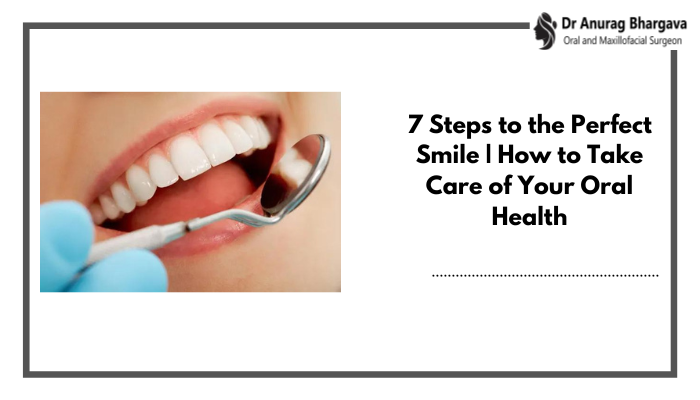
The first thing people notice about you is your smile. The way you smile can create a window into how you carry yourself. Have you ever noticed how celebrities bring their whitest, brightest smiles to the red carpet? Well, you don't have to be a celebrity to get that perfect smile. Here are 7 Steps to the Perfect Smile.
1. Remember to brush ...and don't forget to floss!
The most fundamental way to keep your teeth clean and your mouth healthy is to brush your teeth. We've been told to brush twice daily ever since we were kids, and there's a good reason for that. If you don't brush your teeth, a number of problems will occur. First, the leftover food particles stuck to your teeth will bond with the saliva to form plaque. The bacteria in this will eat away the enamel, and over time, this will harden into calculus, and finally, cavities and decay. It's important to brush correctly. And it's also important to floss to avoid that buildup of food particles between your teeth, and ultimately, plaque and caries.
2. Give up bad eating habits
As children, we get told that if we eat too much chocolate, our teeth will rot. As adults, we tend to take it a bit more lightly. But there is some truth to it. Eating sugary, sticky, and acidic food, sipping on frequent soda, or snacking on foods throughout the day can increase the risk of tooth decay.
Additionally, dangerous habits like smoking and taking tobacco can cause a range of dental problems for you- including oral cancers!
3. Water is your friend
This can't be said enough. Water is not just good for your skin and body- if you drink enough water every day, it will keep your mouth hydrated and free of excess acid. And a hydrated mouth equals a healthy mouth, and that equals a healthy smile.
4. Don’t ignore or delay your dental issues
Half of the time, problems escalate because we let them. Whether it's because of the expected cost or from a lack of awareness, if you choose to avoid a problem with your mouth or your teeth, just know that you are doing nothing but postponing it. For example, if you are avoiding getting treated because the treatment is costly, the more you delay it, the more problems it will create, and the treatment will end up even costlier. So get checked by your dentist as soon as you see the first sign that something is wrong. Even putting off simple procedures like fillings, cleanings, whitenings, and braces can cause massive damage later on.
5. Get regular checkups at your dentist’s
Even if there's no apparent problem, it's always better to be safe than sorry. Schedule a visit with your dentist once every six months to keep an eye on your oral health. Sometimes, your dentist will let you know if there's a problem brewing, and will treat it before it can get worse. You should find a dentist that you like. One that you can trust and be honest with. A dentist who will properly explain the problems and the treatment plan, and will make you feel comfortable is the one to look for.
6. Use your teeth only to chew food
From opening bottles and packages to chewing on pens, pencils, fingernails, and ice, we put our teeth to a lot of different uses. This may seem harmless, but it's not. It cracks or chips the teeth wears down enamel, irritates the soft tissues inside the teeth, and can also damage fillings and cause toothaches. It's best to stick to using your teeth for what they're meant for - food!
7. Cut down on sugar
You would be surprised to know how much sugar some of your favorite, "healthy" foods and drinks contain. Even your packaged or restaurant fruit juices might contain up to 9 teaspoons of sugar per serving. Swap these foods and drinks out for something healthier, like fresh fruits or homemade juice. Also, use a straw whenever you can to avoid further damage to your teeth enamel.
Additionally, it's a good idea to apply lip-balm that contains SPF 30 or higher, and to wear a mouthguard when playing contact sports like basketball, football, mountain biking, wrestling, and so on to avoid sustaining mouth injuries. Taking care of your teeth has to be high on your list. If you take care of your teeth, they will take care of you and keep you healthy and able to enjoy your life.
Smiling is the most natural of reactions; nobody should be embarrassed by their smile. And if you follow these 7 tips, you might end up showing off your widest smile in every single picture!