
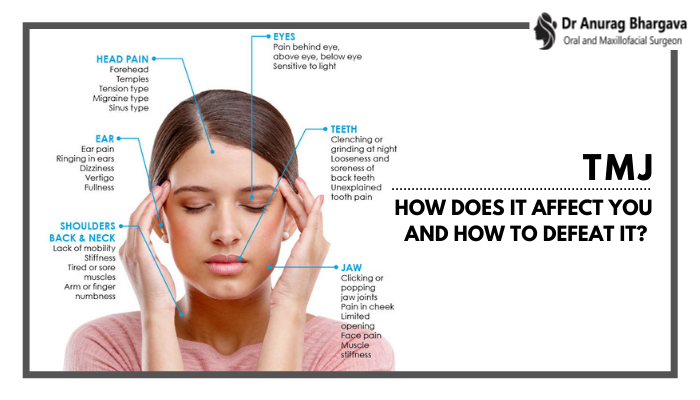
Temporomandibular Joint Disorder also abbreviated as TMJ is a medical condition characterized by severe joint pain and excessive pressure or tension in your jaw. For a basic understanding, the temporomandibular joint is the joint that connects your jaw directly to the skull. In case if the joint is badly injured or damaged then it may lead to Temporomandibular Joint Disorder.
The pain associated with it is severe and may cause stress and anxiety at the same time. Studies and research reveal that TMJ can often lead to muscle spasms, throughout the head, neck and jaw. Further the pain may also lead to an unpleasant change in the tooth structure or cause trauma to the joint or cartilage. Jaw movement, Jaw Locking and Jaw Popping are some of the alarming signs or symptoms of TMJ. Headaches, neck aches, stiff shoulder, sensitivity to sound and vertigo are other common warning signs. TMJ is although painful but preventive.
Symptoms of TMJ
If you’re experiencing any of the following, you may be dealing with a temporomandibular joint disorder:
- Pain or tenderness in your jaw joint
- Pain in your neck or shoulders
- Tired feeling or pain in your face
- Swelling on the side of your face
- Pain in or around your ear
- Pain while chewing or an uncomfortable bite
- Toothaches
- Headaches
- Dizziness
- Hearing problems or ringing in the ears (tinnitus)
- Locked jaw, which makes it difficult to open or close your mouth
- Clicking or grating sensation when opening and closing your mouth
Preventive measures for it
Remember prevention is better than cure. Taking prevention against disorders or disease, rather than curing or treating them later, is intelligent’s move. TMJ is although painful and distressing but can get prevented if cared properly. To avoid it try to keep your face and jaw relaxed. Relaxed jaw muscles are signing to healthiness. Keep your teeth apart and lips together, this keeps your jaw and mouth in a relaxed position. Avoid putting pressure on your jaw. Sometimes you may not identify your tension, make a habit of doing massage on jaw and cheeks regularly to release the stress.
Grinding or clenching of teeth or eating too much solid food may affect your jaw activity. Usually, a lot of people love chewing gums, excessive consumption of chewing gums can often lead to tension in the jaw. Use both sides of the jaw, while chewing because putting too much pressure on one side of the mouth while chewing increases the pressure on that part of the mouth. Taking smaller and sufficient bites are also helpful. Further quit the habit of biting nails, TMJ is likely to occur through this habit.
Thus preventive measures for Tmj calls for a lot of actions to be firmly taken covering the mouth with hand while yawning and coughing also reduces the unnecessary stretch of mouth. Secondly, restrain yourself from cranking the neck. In addition, the best way to be healthy and get away from TMJ or other health issues is to exercise daily. Stretch the body fully and perform some effective exercises to get instant and impactful health building results.
What Causes TMJ Disorder?
TMJ disorder does not happen overnight. In most cases, it develops due to a combination of daily habits, physical strain, or underlying health conditions. Understanding the causes can help you identify what may be triggering your jaw pain and take steps to manage it early.
Common causes of TMJ disorder include:
- Jaw injury or trauma: A fall, accident, or blow to the face can damage the temporomandibular joint, leading to pain, stiffness, or limited jaw movement.
- Teeth grinding or clenching (bruxism): Many people grind their teeth unconsciously, especially during sleep. This puts constant pressure on the jaw joint and muscles, increasing the risk of TMJ.
- Stress and anxiety: Mental stress often leads to jaw tightening and clenching without realizing it. Over time, this muscle tension can strain the jaw joint.
- Poor posture: Slouching, forward head posture, or long hours on mobile phones and laptops can strain the neck and shoulder muscles, which directly affects jaw alignment and function.
- Arthritis in the jaw joint: Conditions like osteoarthritis or rheumatoid arthritis can wear down the joint cartilage, causing inflammation and pain in the TMJ.
- Misaligned teeth or bite problems: When the upper and lower teeth don’t fit together properly, it can put uneven pressure on the jaw joint and surrounding muscles.
The good news is that TMJ is often habit-related and manageable. With lifestyle changes, stress control, and timely treatment, many people experience significant relief.
How TMJ Affects Daily Life?
TMJ disorder doesn’t just cause jaw pain — it can quietly interfere with many aspects of daily life. Because the jaw is involved in speaking, eating, and expressing emotions, even mild TMJ symptoms can become frustrating over time.
Here’s how TMJ can impact everyday activities:
- Difficulty eating or chewing: Pain or stiffness in the jaw can make chewing uncomfortable, forcing you to avoid certain foods or eat very slowly.
- Sleep disturbances: Jaw pain, muscle tension, or headaches can make it hard to fall asleep or stay asleep, leading to fatigue during the day.
- Reduced concentration: Constant discomfort, headaches, or facial pain can affect focus and productivity at work or while studying.
- Speech discomfort: Talking for long periods may cause jaw fatigue or pain, making conversations uncomfortable.
- Emotional stress and irritability: Living with chronic pain can affect your mood, increase stress levels, and reduce overall quality of life.
If these symptoms sound familiar, you’re not alone. TMJ is more common than many people realize, and seeking professional care early can prevent long-term discomfort and complications.
If you are on trigger TMJ then you must know how to treat it, read further to understand how TMJ should be treated-
TMJ has many treatment options. Your first line of care can start at home. But after you’ve exhausted at-home treatment options for your jaw, you may need to see your doctor for further care. Simple things like Daily exercises, Counter pain medications, relaxing of the jaw, as discussed above are the best means of treating and preventing TMJ. In some severe cases, orthodontic is the best possible option to treat TMJ. In the cases where TMJ strokes are dreadful, orthodontic surgery becomes vital. Nowadays injections are used to reduce the inflammation.
Orthodontic devices can help you reduce grinding teeth. If grinding is causing your TMJ, a nightguard may be the answer.
If you are experiencing TMJ pain that isn’t going anyway or seems to be worsening consult Dr Anurag Bhargava - the best maxillofacial surgeon in Indore. Dr Bhargava may be able to help you find a long term solution to TMJ pain. Best of his team comprising a bunch of professionals is dedicated to your comfort.
Thus, Anytime if you have an aching pain in your face, temples, ear, or jaw, you may be dealing with TMJ. As you understand your symptoms, take care of yourself at home, and counsel with the specialist who is best at maxillofacial surgery in Indore, you can find instant relief once you pay a visit to him. Make an appointment with us to learn more about TMJ and what you can do to relieve your symptoms.