Have you ever noticed that sometimes changing just one facial feature does not create the overall appearance you were hoping for? You may feel that your nose looks too prominent, your chin appears slightly recessed, or your facial profile does not look balanced. Interestingly, these features are closely connected, and improving one may change how the other looks.
This is why some people consider combining chin surgery with rhinoplasty rather than undergoing two separate procedures at different times.
Your nose and chin play an important role in your facial profile. Even if your nose is not particularly large, a smaller or recessed chin can make it appear more prominent. Similarly, reshaping the nose without considering the chin may not always create the balanced profile a person expects.
Combining chin surgery with rhinoplasty allows the surgeon to consider both features together and plan treatment around the overall facial structure. But does everyone need both procedures? Is combining them safe? And how do you know whether this approach is right for you?
Let's understand how chin surgery and rhinoplasty work together, what concerns they can address, and what you should consider before making a decision.
What Is Chin Surgery?
Chin surgery, also known as genioplasty or chin augmentation depending on the technique, is a procedure performed to change the position, projection, or shape of the chin.
The chin may appear small, recessed, prominent, or uneven because of the underlying bone structure. In some people, the concern is mainly related to the size of the chin, while in others, its position affects the overall balance of the face.
Chin surgery can be considered for different reasons, including:
- A chin that appears too small or recessed
- A chin that looks excessively prominent
- An uneven or asymmetrical chin
- Poor balance between the chin, lips, and nose
- A facial profile that appears disproportionate
Depending on the patient's anatomy and goals, the surgeon may recommend different techniques.
Common Chin Surgery Options
1. Chin augmentation
Chin augmentation is performed to improve chin projection when the chin appears small or set back. It may involve a chin implant or another suitable technique to enhance the chin's shape and prominence.
2. Sliding genioplasty
Sliding genioplasty involves making a planned cut in the chin bone and repositioning it. The bone can be moved forward, backward, or in another direction depending on the correction required. It is often considered when the underlying chin bone needs repositioning rather than simply adding volume.
3. Chin reduction
For people with an excessively prominent or large chin, chin reduction may be considered. The procedure aims to reduce the prominence or modify the shape of the chin according to the individual's facial proportions.
The appropriate approach depends on the patient's bone structure, facial profile, and treatment goals.
What Is Rhinoplasty?
Rhinoplasty, commonly known as nose surgery, is a procedure performed to change the shape, size, or structure of the nose.
People consider rhinoplasty for different reasons. Some are unhappy with a prominent nasal bridge, while others want to address a wide nasal tip, a crooked appearance, or an overall lack of proportion between the nose and the rest of the face.
Rhinoplasty may be considered to address concerns such as:
- A prominent or uneven nasal bridge
- A nose that appears too large or too small
- A drooping or wide nasal tip
- Nasal asymmetry
- Certain structural concerns affecting breathing
The procedure is planned according to the individual's nasal anatomy and expectations. Depending on the case, the surgeon may modify bone, cartilage, or other nasal structures.
It is important to remember that rhinoplasty is not simply about making the nose smaller. A good treatment plan considers how the nose fits with the forehead, lips, chin, and overall facial proportions.
Why Combine Chin Surgery with Rhinoplasty?
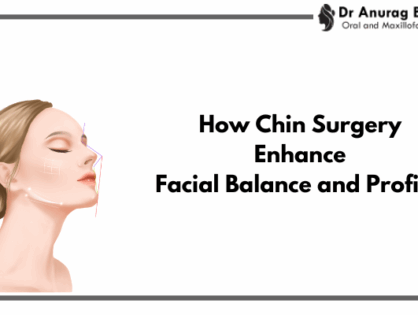
The nose and chin are two important features when looking at the face from the side. Their relationship can influence how balanced or proportionate the facial profile appears.
For example, imagine someone with a slightly recessed chin and a prominent nose. Even if the nose itself is not unusually large, the smaller chin may make it look more noticeable.
Now consider the opposite situation: someone has a prominent chin and a relatively small nose. In this case, the chin may draw more attention than the other facial features.
This is why surgeons sometimes recommend evaluating both areas before planning treatment.
Combining chin surgery with rhinoplasty can offer several potential advantages:
1. Better Facial Profile Balance
The main reason people consider combining these procedures is to improve the relationship between the nose and chin.
Instead of focusing only on the nose, the surgeon considers how both features contribute to the side profile. This can help create a more proportionate appearance.
2. A More Comprehensive Treatment Plan
When a person has concerns about both the nose and chin, treating them together may allow the surgeon to plan the changes as part of one overall facial enhancement approach.
This means the desired chin projection and nasal shape can be considered together rather than independently.
3. Improved Chin and Nose Proportions
A recessed chin can make the nose appear more prominent, while a very prominent chin can affect how the nose is perceived.
Addressing both features may help improve their visual relationship. However, the amount of correction should always be based on the patient's natural anatomy rather than a fixed beauty standard.
4. One Combined Surgical Session
When both procedures are suitable to perform together, they may be completed during the same surgical session.
This can mean one anaesthesia event and one overall recovery period instead of planning two separate operations. However, combining procedures is not automatically safer or more convenient for everyone. The additional surgical time and individual health factors must be considered.
Who May Benefit from Combining Chin Surgery and Rhinoplasty?
Not everyone considering rhinoplasty needs chin surgery. Similarly, having a small chin does not automatically mean that rhinoplasty should be performed.
The combined approach may be worth discussing with a specialist if you have concerns such as:
- A prominent nose along with a recessed chin
- A small chin that makes the nose appear more noticeable
- A prominent chin that affects the overall facial profile
- A nose and chin that appear disproportionate when viewed from the side
- A combination of nasal and chin asymmetry
- A desire to improve overall facial profile balance rather than change only one feature
For example, a person may visit a surgeon asking for a smaller nose. During the consultation, the surgeon may notice that the chin is also recessed. After evaluating the complete facial profile, the surgeon may explain how chin correction could influence the overall result.
This does not mean that both procedures are necessary. The final recommendation should depend on the patient's anatomy, concerns, and expectations.
How Are Chin Surgery and Rhinoplasty Planned Together?
One of the most important parts of combined facial surgery happens before the actual operation.
The surgeon needs to understand how the nose, chin, jawline, and surrounding facial features relate to each other. This helps avoid focusing on one feature while overlooking the overall profile.
A typical treatment-planning process may include the following stages.
1. Understanding Your Concerns
The consultation usually begins with a discussion about what you would like to change.
You may be concerned about a prominent nose, a weak chin, facial asymmetry, or an unbalanced side profile. Explaining your expectations helps the surgeon understand your priorities.
2. Facial Profile Assessment
The surgeon examines the nose, chin, lips, jawline, and overall facial proportions.
Both front and side views are important because a feature that looks balanced from the front may appear different from the side.
3. Medical and Structural Evaluation
Your medical history, previous procedures, nasal structure, chin position, and general health are considered.
If there are concerns about jaw alignment or the way your teeth meet, additional dental or jaw assessment may be needed. Cosmetic chin surgery should not be treated as a substitute for correcting a significant bite or jaw-position problem.
4. Discussing the Surgical Options
Once the assessment is complete, the surgeon explains which procedures may be suitable.
For example, one patient may need rhinoplasty alone, another may benefit from chin augmentation, and someone else may be a candidate for both procedures.
The surgeon should also explain the expected changes, limitations, risks, and alternatives before a decision is made.
5. Finalising the Treatment Plan
The final plan considers the patient's facial structure and desired outcome. It should aim for a natural-looking improvement rather than an exaggerated change in either feature.
What Happens During Combined Chin Surgery and Rhinoplasty?
If both procedures are recommended, the surgical approach will depend on the type of correction required.
Rhinoplasty Procedure
During rhinoplasty, the surgeon modifies the nasal structures to achieve the planned shape and proportions. This may involve adjusting the nasal bone, cartilage, or tip.
The technique may be open or closed, depending on the complexity of the correction and the surgeon's assessment.
The objective is to achieve the desired nasal shape while maintaining appropriate nasal structure and, where relevant, breathing function.
Chin Surgery Procedure
The chin procedure depends on whether the chin needs enhancement, reduction, or repositioning.
- Chin implant: A suitable implant is placed to improve chin projection and definition.
- Sliding genioplasty: The surgeon repositions the patient's own chin bone to achieve the planned shape or position.
- Chin reduction: The surgeon reshapes or reduces the chin bone when it is excessively prominent.
The surgeon determines whether these procedures can be safely combined with rhinoplasty and which technique is most appropriate.
Both procedures are generally planned with careful attention to facial proportions and the patient's individual requirements.
What Is Recovery Like After Combining Chin Surgery with Rhinoplasty?
Recovery is something you should understand before deciding on combined facial surgery.
Since two areas are being treated, you may experience swelling and tenderness around the nose, chin, and surrounding facial tissues. The exact recovery experience depends on the surgical techniques used and your individual healing process.
Here are some things you may experience during recovery.
Initial Recovery
During the first few days, swelling, bruising, and discomfort are common possibilities. You may also experience temporary changes in sensation around the chin or lower lip, depending on the procedure.
Your surgeon may recommend medication, cold compresses where appropriate, and specific instructions for sleeping and caring for the surgical areas.
Eating and Oral Hygiene
If your chin procedure involves an incision inside the mouth, you may be advised to follow a soft-food diet for a period of time.
Maintaining oral hygiene is particularly important when an intraoral incision has been used. Follow your surgeon's instructions about cleaning the mouth and surgical area.
Returning to Daily Activities
You may need to take time away from work, exercise, and other regular activities. The timing depends on the extent of surgery and your recovery.
Avoid putting pressure on the nose or chin and follow the activity restrictions provided by your surgical team.
Final Results
Do not expect the final facial appearance immediately after surgery. Swelling gradually settles, and the nose and chin may take several months to show their more settled results.
Regular follow-up appointments help your surgeon monitor healing and address any concerns.
If you experience increasing pain, fever, unusual discharge, significant bleeding, or breathing difficulties, contact your surgical team promptly rather than waiting for your next appointment.
Are There Any Risks of Combining Chin Surgery and Rhinoplasty?
Like any surgical procedure, combining chin surgery with rhinoplasty involves certain risks.
Some possible complications include:
- Swelling and bruising
- Bleeding
- Infection
- Scarring
- Changes in sensation around the chin or lips
- Unsatisfactory cosmetic results or asymmetry
- Implant-related problems, if a chin implant is used
- Nasal breathing or structural concerns following rhinoplasty
- Complications related to anaesthesia
There is also the consideration that combining two procedures may increase the overall operating time and surgical complexity.
The risks depend on the patient's health, the specific procedures, and the surgeon's assessment. A combined operation should only be considered when the expected benefits justify the additional surgical requirements.
Before proceeding, ask your surgeon to explain the individual risks of both procedures and the additional considerations involved in performing them together.
Is It Better to Have Chin Surgery and Rhinoplasty Together or Separately?
This is one of the most common questions people have when considering both procedures.
There is no universal answer. Some patients may be suitable for a combined operation, while others may benefit from having the procedures separately.
Combining both procedures may be considered when:
- Both the nose and chin need correction.
- The patient's general health supports a combined procedure.
- The surgeon believes the two corrections can be planned together safely.
- The patient understands the recovery process and possible risks.
Separate procedures may be considered when:
- One feature needs to be addressed first.
- The combined operation would involve excessive surgical complexity.
- The patient's health or medical history makes a longer operation less suitable.
- The surgeon wants to evaluate the outcome of one procedure before planning another.
The decision should be made after a detailed consultation. Having both procedures at the same time is not necessarily better than staging them.
How to Choose the Right Surgeon for Combined Facial Surgery?
When considering chin surgery with rhinoplasty, choosing the right surgical team is just as important as deciding on the procedures themselves.
Look for a qualified and appropriately experienced surgeon who understands facial anatomy and has experience with the procedures being considered.
During your consultation, consider asking:
- Do I actually need both chin surgery and rhinoplasty?
- Which chin surgery technique would be suitable for my facial structure?
- Can both procedures be performed during the same session?
- What changes can I realistically expect?
- What are the possible complications?
- How long might my recovery take?
- Will the treatment affect my bite, jaw function, or breathing?
A good consultation should give you a clear understanding of the treatment plan rather than make you feel pressured to undergo surgery.
Final Thoughts
Combining chin surgery with rhinoplasty can be an option for people who want to improve the balance between their nose and chin. Since both features contribute to the overall facial profile, evaluating them together can help the surgeon plan a more comprehensive approach.
However, the goal should never be to change every facial feature simply to achieve a particular look. Sometimes rhinoplasty alone is sufficient. In other cases, chin augmentation, sliding genioplasty, or another form of chin correction may be more appropriate.
If you are considering facial profile enhancement, start with a detailed consultation. Understanding your facial structure, treatment options, and realistic expectations will help you make a more informed decision.
The right approach is one that respects your natural facial features while addressing the concerns that matter to you.
Frequently Asked Questions (FAQs)
1. Can chin surgery and rhinoplasty be performed together?
Yes, chin surgery and rhinoplasty can be performed during the same surgical session when the patient is suitable for both procedures. The surgeon evaluates facial proportions, medical history, and surgical requirements before recommending a combined approach.
2. Why is chin surgery combined with rhinoplasty?
These procedures may be combined to improve the relationship between the nose and chin. Correcting both features can help create a more balanced facial profile, particularly when the chin is recessed or the nose appears prominent.
3. Does chin surgery make the nose look smaller?
Chin surgery does not physically change the size or structure of the nose. However, improving chin projection can change how prominent the nose appears in relation to the rest of the face.
4. What is the difference between chin augmentation and genioplasty?
Chin augmentation commonly involves using an implant to increase chin projection. Genioplasty involves surgically repositioning or reshaping the patient's own chin bone. The appropriate technique depends on the individual's anatomy and treatment goals..
5. Who is a suitable candidate for combined chin surgery and rhinoplasty?
People who have concerns about both nasal shape and chin projection may be considered. A suitable candidate should undergo a detailed facial assessment and have realistic expectations about the possible results.
6. Is combining chin surgery with rhinoplasty safe?
The combined procedure can be appropriate for selected patients, but it carries risks like any surgery. The surgeon must consider overall health, operating time, surgical complexity, and the risks associated with each procedure.
7. How long does recovery take after chin surgery and rhinoplasty?
Recovery varies depending on the surgical techniques used and individual healing. Initial swelling and bruising generally improve gradually, while the final facial profile may take several months to settle.
8. Will combining chin surgery and rhinoplasty change my facial appearance significantly?
It can change the appearance of your side profile because both the nose and chin contribute to facial proportions. The extent of change depends on the original facial structure and the corrections performed.
9. Can I have rhinoplasty without chin surgery?
Yes. If your chin is already proportionate to your other facial features, rhinoplasty alone may be sufficient. Chin surgery is not necessary for every person undergoing nose surgery.
10. Is chin surgery permanent?
Surgical chin bone repositioning is intended to create a lasting structural change once the bone heals. Chin implants are also designed for long-term enhancement, although implant-related complications or future revision may sometimes occur.
11. Does chin surgery affect the jawline?
Yes. Depending on the technique and the amount of correction, chin surgery can influence the appearance of the lower face and jawline. However, it does not necessarily correct problems involving the entire upper or lower jaw.
12. Which doctor should I consult for chin surgery with rhinoplasty?
You should consult an appropriately qualified facial plastic surgeon or oral and maxillofacial surgeon with relevant experience in the proposed procedures. Depending on your needs, a coordinated consultation with specialists may be appropriate.
About the Author
Dr. Anurag Bhargava is a qualified cosmetic and reconstructive surgeon specializing in facial deformity correction, rhinoplasty, jaw surgery, cleft lip and palate repair, and post-traumatic facial reconstruction. Dr. Bhargava is committed to delivering safe, evidence-based, and natural-looking results for patients of all ages.
BDS, MDS (Oral & Maxillofacial Surgery), FICOI (USA), Diplomate – WCOI (Japan)