As we age, our skin gradually loses elasticity, facial fat shifts, and gravity begins to show its effects. Sagging skin, deep wrinkles, jowls, and loss of jawline definition are common concerns. While skincare and non-surgical treatments can help in early stages, facelift surgery remains one of the most effective ways to restore a youthful, refreshed appearance.
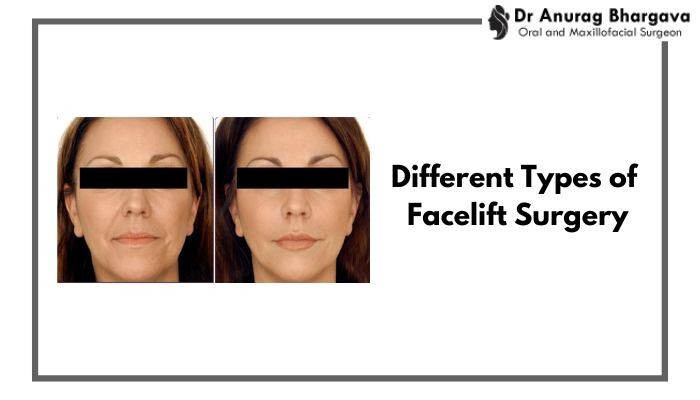
However, facelift surgery is not a one-size-fits-all procedure. There are different types of facelifts, each designed to address specific aging concerns. Understanding these options can help you make an informed decision about which facelift is right for you.
What Is a Facelift?
A facelift, medically known as rhytidectomy, is a cosmetic surgical procedure that tightens underlying facial tissues, removes excess skin, and repositions facial fat to reduce signs of aging. The goal is not to change your face, but to enhance your natural features and create a smoother, more youthful look.
Now, let’s explore the different types of facelift surgeries available.
1. Traditional (Full) Facelift
A traditional facelift is best suited for individuals with moderate to severe facial aging. It addresses sagging in the mid-face, jowls, and neck.
What it treats:
- Deep wrinkles and folds
- Sagging cheeks
- Jowls
- Loose neck skin
How it works:
Incisions are made around the hairline and ears. The surgeon lifts and tightens the underlying muscles, repositions fat, and removes excess skin.
Who it’s for:
People in their late 40s to 60s with significant skin laxity and facial sagging.
2. Mini Facelift
A mini facelift is a less invasive option designed for early signs of aging.
What it treats:
- Mild jowls
- Slight sagging in the lower face
- Early skin laxity
How it works:
Smaller incisions are used, and the focus is mainly on the lower face.
Who it’s for:
Patients in their late 30s to early 50s who want subtle rejuvenation with shorter downtime.
3. Mid-Facelift
The mid-facelift focuses on the area between the lower eyelids and upper mouth.
What it treats:
- Drooping cheeks
- Deep nasolabial folds
- Hollow under-eye area
How it works:
The surgeon lifts the cheek fat pads upward to restore youthful volume.
Who it’s for:
Patients whose main concern is sagging in the cheek area rather than the jawline or neck.
4. SMAS Facelift
SMAS (Superficial Musculoaponeurotic System) facelift targets deeper facial tissues for longer-lasting results.
What it treats:
- Moderate to advanced facial sagging
- Jowls and deep folds
How it works:
Instead of just tightening skin, the surgeon lifts the SMAS layer for better structural support.
Who it’s for:
Patients looking for natural-looking, long-lasting facelift results.
5. Deep Plane Facelift
The deep plane facelift is an advanced technique that lifts deeper facial layers without excessive skin tension.
What it treats:
- Severe sagging
- Prominent jowls
- Deep folds and facial heaviness
How it works:
The facial muscles and fat are repositioned as a single unit.
Who it’s for:
Those seeking dramatic yet natural-looking rejuvenation with long-lasting results.
6. Thread Lift (Non-Surgical Option)
While not a surgical facelift, thread lifts are often considered by patients seeking minimal downtime.
What it treats:
- Mild sagging
- Early jowls
How it works:
Temporary threads are inserted to lift and support the skin.
Who it’s for:
Patients who are not ready for surgery and want short-term improvement.
How to Choose the Right Facelift for You
Choosing the right facelift depends on several factors:
- Age and skin quality
- Degree of sagging
- Desired results
- Downtime availability
- Overall health
A detailed consultation with a qualified facial plastic surgeon is essential. They will assess your facial structure, discuss your goals, and recommend the most suitable option.
Recovery and Results
Recovery time varies depending on the type of facelift:
- Mini facelift: 1–2 weeks
- SMAS or mid-facelift: 2–3 weeks
- Deep plane facelift: 3–4 weeks
Swelling and bruising are normal and improve gradually. Final results become visible within a few months and can last several years, especially with proper skincare and healthy lifestyle habits.
Final Thoughts
Facelift surgery can significantly enhance your appearance and boost your confidence when done correctly. The key is choosing the right type of facelift based on your individual needs rather than following trends.
If you’re considering facelift surgery, consult an experienced facial plastic surgeon who can guide you toward a safe, personalized approach. With the right technique, facelift surgery can help you look refreshed, youthful, and naturally confident—without looking “overdone.”