Facial injuries can be life-changing, both physically and emotionally. Whether due to an accident, fall, sports injury, or violence, trauma to the face can affect your appearance, speech, ability to eat, and even your confidence. This is where maxillofacial surgery comes into play. It’s a specialized area of medicine focused on treating complex injuries and conditions of the face, jaw, and mouth.
Let’s understand how maxillofacial surgery helps in facial trauma recovery, what to expect from the treatment, and how it can restore both function and confidence.
What Is Maxillofacial Surgery?
Maxillofacial surgery is a branch of surgery that deals with injuries, diseases, and abnormalities of the face, jaw, mouth, and neck. It’s often performed by oral and maxillofacial surgeons, who are trained in both dentistry and surgical procedures involving bone and soft tissue.
When it comes to facial trauma, these surgeons are uniquely qualified to handle everything from fractures to severe lacerations and bone dislocations.
Common Types of Facial Trauma Treated
Facial trauma can affect different parts of the face. Here are some examples of injuries that a maxillofacial surgeon treats:
- Jaw fractures (upper jaw, lower jaw, or both)
- Cheekbone (zygoma) fractures
- Nasal fractures
- Orbital fractures (bones around the eyes)
- Soft tissue injuries like deep cuts or bruises
- Dental trauma, including broken or knocked-out teeth
How Maxillofacial Surgery Helps in Facial Trauma Recovery?
1. Restores Facial Structure
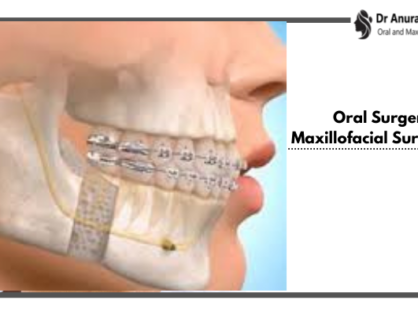
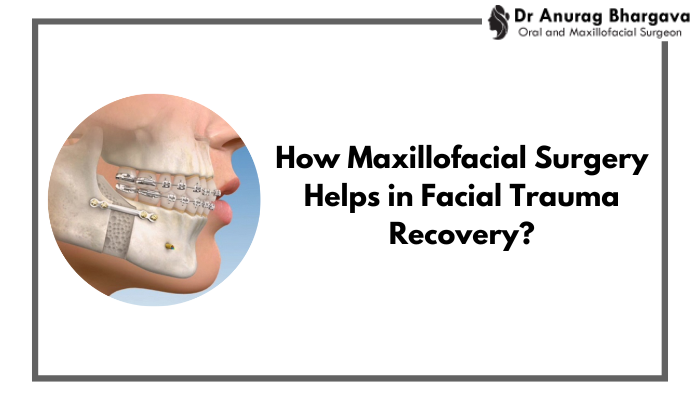
After a traumatic injury, your facial bones may shift out of place or fracture. A maxillofacial surgeon realigns these bones using plates, screws, and sutures to restore the original structure of your face. In some cases, bone grafts are used if bone has been lost.
2. Improves Functionality
Facial trauma can affect your ability to chew, speak, or breathe properly. By correcting the underlying bone structure and repairing muscle or nerve damage, surgery can help you regain these vital functions.
3. Minimizes Scarring
Maxillofacial surgeons are skilled in cosmetic techniques that minimize visible scars, especially around delicate areas like the lips, nose, and eyes.
4. Prevents Long-Term Complications
If left untreated or improperly treated, facial injuries can lead to chronic pain, infections, and deformities. Surgery ensures proper healing, reducing the risk of these issues.
5. Restores Confidence
More than just a medical fix, facial reconstruction helps patients feel like themselves again. Restoring facial symmetry and appearance often has a huge impact on emotional healing.
What to Expect During Treatment?
Initial Consultation
Your surgeon will assess the extent of your injury using X-rays, CT scans, and clinical exams. Based on the findings, they’ll create a personalized treatment plan.
The Surgery
The actual procedure depends on your injury. Some surgeries may take an hour, while complex reconstructions may take several hours. You may need general or local anesthesia, depending on the case.
Recovery Period
Recovery can take a few weeks to several months. During this time, you'll be advised on:
- What to eat (often soft food or liquid diet)
- How to manage pain and swelling
- Activity restrictions to avoid disturbing healing
- Follow-ups to track progress
Realistic Outcomes: Healing Takes Time
It’s important to understand that facial trauma recovery is a gradual process. Swelling, bruising, and mild discomfort are common after surgery. However, with proper post-op care and follow-up visits, most patients experience excellent outcomes.
Your oral and maxillofacial surgeon in Indore, such as Dr. Anurag Bhargava, will guide you at every step, ensuring both medical and emotional support during your recovery.
Tips for a Smoother Recovery
- Use cold compresses to reduce swelling
- Maintain oral hygiene with a prescribed rinse or soft brushing
- Stick to soft foods to avoid strain on healing areas
- Take medications as prescribed to manage pain and prevent infections
- Rest properly and avoid strenuous activity
Why Choose a Maxillofacial Surgeon for Trauma Care?
Unlike general surgeons or dentists, maxillofacial surgeons are experts in both the medical and aesthetic aspects of facial reconstruction. They understand the balance between function and appearance, so you not only heal, but look and feel like yourself again.
If you're in central India, you’ll find expert care with a facial trauma surgeon in Indore like Dr. Anurag Bhargava. With advanced facilities and years of experience, you’ll receive world-class treatment without the need to travel far.
Final Thoughts
Facial trauma can be overwhelming, but with the right treatment and support, full recovery is possible. Maxillofacial surgery plays a vital role in not just repairing the injury, but also restoring your ability to eat, speak, smile, and live confidently.
If you or someone you love has suffered facial trauma, don’t delay. Reach out to a qualified oral and maxillofacial surgeon in Indore to explore your treatment options and begin the journey to complete healing.