
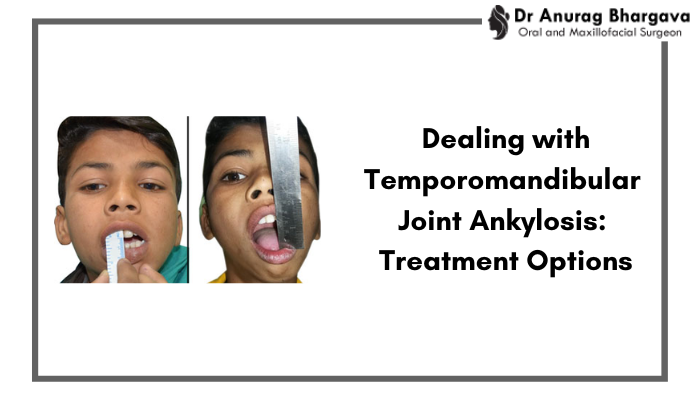
In the realm of oral health, the temporomandibular joint (TMJ) plays a pivotal role, enabling us to chew, speak, and express emotions through facial expressions. However, for some individuals, this essential joint becomes compromised due to a condition known as Temporomandibular Joint Ankylosis (TMJ Ankylosis). It's not just a physical challenge but an emotional journey too. In this blog, we'll explore this condition in a compassionate light, offering insights into the causes, symptoms, diagnosis, and, most importantly, the treatment options available.
Understanding TMJ Ankylosis: A Life-Altering Condition
TMJ Ankylosis isn't merely a medical term; it's a life-altering challenge that affects everyday activities such as eating, speaking, and even smiling. Imagine not being able to enjoy a simple meal or utter words without pain. For those facing this battle, it's more than a physical discomfort; it's an emotional struggle too.
Recognizing the Signs and Symptoms: Your Body's Way of Speaking
Early diagnosis is crucial in managing TMJ Ankylosis effectively. Watch out for subtle signs such as persistent jaw pain, limited jaw movement, and a clicking sound while chewing. If you notice these symptoms, it's your body's way of speaking to you, urging you to seek professional help.
The Journey to Diagnosis: A Pathway to Hope
The diagnostic process might seem daunting, but it's a necessary step toward understanding your condition fully. Oral and maxillofacial surgeons in Indore employ a variety of techniques, from physical examinations to advanced imaging, to accurately diagnose TMJ Ankylosis. Remember, each step taken is a step closer to regaining control of your life.
TMJ Ankylosis Treatment Options
1. Non-Surgical Approaches
When caught in the early stages, non-surgical methods like physical therapy and specialized exercises can aid in improving jaw movement. Pain management techniques and medications tailored to your needs can significantly enhance your quality of life. Additionally, dietary modifications can make chewing and swallowing easier, ensuring you get the nutrition you need.
2. Surgical Interventions
For more severe cases, surgical interventions become necessary. Procedures like arthrocentesis, a minimally invasive technique, can provide relief by improving joint mobility. Arthroscopy, another advanced procedure, allows for precise intervention, reducing recovery time. In cases requiring more extensive measures, open-joint surgery or joint replacement can be life-changing, offering renewed hope and functionality.
Rehabilitation and Post-Surgery Care
Recovery doesn't end with surgery. Post-surgical therapy and rehabilitation are vital. Oral hygiene maintenance and preventive measures against infections are crucial aspects of this phase. Equally important is the emotional support provided by friends, family, and support groups, which can make a significant difference in your journey to recovery.
Embracing Life After Treatment
Meet Sara, a brave soul who battled TMJ Ankylosis with unwavering determination. Through the support of a skilled oral and maxillofacial surgeon in India and the love of her family, she emerged victorious. Today, she enjoys meals without pain and smiles with newfound confidence. Her story, like many others, reminds us that with the right treatment and support, life after TMJ Ankylosis is not just possible but can be incredibly fulfilling.
Causes and Risk Factors
Trauma & Injury
One of the most common causes of TMJ ankylosis is direct trauma to the jaw. Accidents, falls, fractures, or untreated injuries around the temporomandibular joint can lead to scar tissue formation or abnormal bone fusion. Over time, this restricts jaw movement and may completely lock the joint if left untreated.
Infections
Untreated infections in the ear, teeth, or surrounding tissues can spread to the temporomandibular joint, damaging the bone and cartilage. This inflammation often results in fusion of the joint surfaces, ultimately leading to ankylosis. Prompt treatment of infections is therefore vital to prevent such complications.
Congenital Factors
In some cases, children are born with craniofacial anomalies or structural defects in the jaw joint. These congenital conditions can predispose them to TMJ ankylosis, often manifesting early in life as difficulty in chewing, speaking, or facial asymmetry. Early diagnosis in children is critical to prevent long-term complications.
Systemic Conditions
Certain systemic illnesses such as rheumatoid arthritis and other inflammatory disorders may contribute to joint stiffness or fusion. These conditions trigger chronic inflammation in the TMJ region, making patients more prone to ankylosis if not carefully managed.
Innovative Surgical Options
Distraction Osteogenesis
This advanced technique is particularly beneficial for children with TMJ ankylosis. It involves gradually lengthening the jawbone using a special device, encouraging new bone formation. Over time, this restores facial symmetry, improves function, and supports proper jaw development while minimizing the risk of deformities.
Alloplastic Joint Replacement
For severe cases where the joint is extensively damaged, surgeons may opt for alloplastic joint replacement. In this procedure, an artificial joint made of biocompatible materials is used to replace the damaged TMJ. This option restores movement, reduces pain, and provides long-lasting results for adult patients.
Autogenous Grafting
This approach uses the patient’s own bone or cartilage—commonly harvested from the ribs, hip, or other donor sites—to reconstruct the damaged TMJ. Since the graft material is natural and comes from the patient’s body, it integrates well and reduces the risk of rejection. Autogenous grafting is often chosen for younger patients, as it supports continued growth and development of the jaw.
Conclusion: A New Beginning
In the face of Temporomandibular Joint Ankylosis, remember that you are not alone. With advancements in medical science and the expertise of oral and maxillofacial surgeons, there is hope. Seek help, embrace the available treatment options, and surround yourself with a support system that understands your journey. Your life, once hindered by TMJ Ankylosis, can be transformed into a new beginning filled with joy, laughter, and pain-free moments.
Additional Resources and Support: You Are Not Alone
For more information on TMJ Ankylosis and to connect with professionals who specialize in its treatment, reach out to Dr. Anurag Bhargava and book an appointment. Remember, you are not alone in this journey, and there are hands ready to help you reclaim your life.
In the end, remember that your journey with Temporomandibular Joint Ankylosis is unique, but with the right treatment, support, and a positive mindset, you can overcome this challenge and embrace life to the fullest once again.