
Just hearing your dentist mention that you might need a root canal can send chills down your spine. Most people think it must be a very painful surgery that will take too long and they will need a few weeks to recover. But is it? We are here to assuage all your fears about the treatment.
What is a Root Canal?
When you chip or crack a tooth, have a severe cavity, or have suffered an injury to your mouth, the pulp, which is the soft tissue inside the tooth and contains blood vessels, nerves, and connective tissues, can become infected.
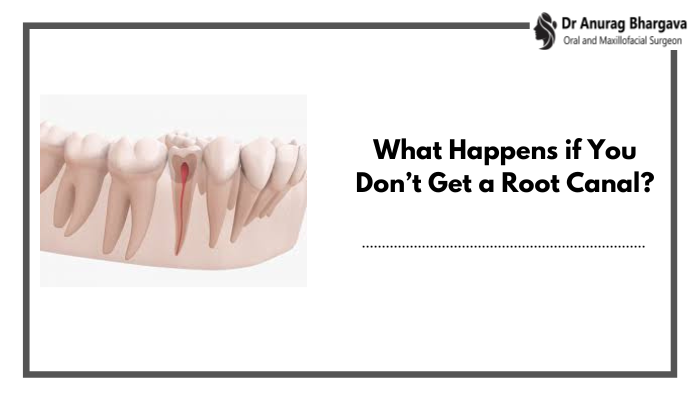
It is a treatment that can repair or save a damaged or infected tooth instead of removing it. The infection is removed and the pain is relieved by removing the inflamed pulp that has been damaged by a bacterial infection. Then, the surfaces inside the tooth are cleaned and disinfected, and a filling is placed to seal the tooth. Essentially, it cleans the canals inside the tooth’s root.
Is Root Canal a Surgery?
Let’s answer this question first. No, a root canal is not a surgery. It is a minimal-operative dental procedure. People put off getting a root canal because they think it will hurt a lot. But actually, the root canal is the solution to the pain they are already suffering with. And by avoiding the root canal, they are essentially extending their pain.
Will a Tooth That Needs a Root Canal Heal Itself?
Infected pulp cannot heal on its own and requires a root canal to be treated. When the infection has existed long enough and the nerves inside the tooth have all died, it may stop hurting, but that doesn't mean that the infection has gone away and your teeth is healed! If you forget about it and move on with your life, the infection- still alive, can spread to your jaw, blood, brain, and even body.
What Will Happen if I Don’t Get a Root Canal?
Whether you're hurting from a cracked tooth, a deep cavity, or dental trauma, if your dentist tells you you need a root canal, you don't really have much of a choice. If you leave an infected pulp untreated, a lot of things can happen:
- The infection can spread to the gums and the jawbone
- You could lose your tooth or part of your jaw
- It could lead to dental abscesses
- It could cause a stroke
- It could cause a life-threatening heart attack
- It could cause sepsis
- And all of these WILL cause a lot of pain
What are My Options?
Even antibiotics only provide temporary solutions here. If your dentist has told you to get a root canal, possibly, the only other option is to get the tooth removed - but wouldn't you rather get a root canal and save your tooth?
Getting a tooth removed is only preferred when there is no way to save the tooth. But if you decide to get it removed instead of getting a root canal, you need to know that you will then need to get surgery to get an implant! This is because you need teeth to continuously stimulate the jawbone and keep it from deteriorating. An implant will also maintain your bite and prevent other teeth from shifting.
Why Do People Put This Off?
A major factor here is fear- the name induces fear of surgery and pain, and most are afraid that it will hurt. Some may feel like a little pain and discomfort does not warrant such a procedure, but by the time they realize their mistake and reach the dentist, the pain has grown manifold and their worsening condition can make treatment harder. Cost doesn’t seem to be much of a factor here, because while a root canal can cost an average of $1000 in a country like America, in India, it only costs between Rs. 1500 and Rs. 12,000 depending on factors like area, location of the tooth, condition of the tooth, and your doctor and her/his level of experience.
Frequently Asked Questions (FAQs)
1. What happens if you don't get a root canal?
If you don't get a root canal, the infected tooth pulp can worsen, causing severe pain, swelling, an abscess, bone loss, and eventually tooth loss. The infection may also spread to nearby tissues.
2. Can a tooth infection go away without a root canal?
No. A tooth infection usually does not heal on its own. Without proper treatment like a root canal or tooth extraction, the infection can continue to spread and become more serious.
3. Is it okay to delay a root canal?
Delaying a root canal can allow the infection to worsen, leading to increased pain, swelling, damage to the surrounding bone, and a higher risk of losing the affected tooth.
4. What are the signs that you need a root canal?
Common signs include severe toothache, prolonged sensitivity to hot or cold, swollen gums, tooth discoloration, pain while chewing, and the presence of a dental abscess.
5. Can an infected tooth affect overall health?
Yes. If left untreated, a tooth infection can spread to nearby tissues and, in rare cases, enter the bloodstream, potentially affecting your overall health and requiring emergency medical care.
6. Is a root canal better than tooth extraction?
In most cases, a root canal is preferred because it saves your natural tooth, restores its function, and helps maintain proper chewing, jawbone health, and natural tooth alignment.
7. Does a root canal procedure hurt?
No. Modern root canal treatment is performed under local anesthesia, making the procedure comfortable. Most patients experience little to no pain during treatment and feel relief afterward.
8. How long can you wait before getting a root canal?
You should not wait if your dentist recommends a root canal. Early treatment helps save the tooth and prevents the infection from spreading or causing more extensive dental problems.
9. Can antibiotics replace a root canal?
No. Antibiotics may temporarily reduce the infection, but they cannot remove the infected pulp inside the tooth. A root canal is usually needed to eliminate the source of the infection.
10. How can I prevent needing a root canal?
You can reduce the risk by brushing twice daily, flossing regularly, limiting sugary foods, treating cavities early, and visiting your dentist every six months for routine check-ups and cleanings.
About the Author
Dr. Anurag Bhargava is a qualified cosmetic and reconstructive surgeon specializing in facial deformity correction, rhinoplasty, jaw surgery, cleft lip and palate repair, and post-traumatic facial reconstruction. Dr. Bhargava is committed to delivering safe, evidence-based, and natural-looking results for patients of all ages.
BDS, MDS (Oral & Maxillofacial Surgery), FICOI (USA), Diplomate – WCOI (Japan)