Aging is a natural process, but for many people, there comes a time when they look in the mirror and feel that their appearance doesn’t match how young they feel inside. Fine lines, sagging skin, and loss of facial volume can make you appear older or more tired than you are.
A facelift is one of the most effective cosmetic procedures to restore a youthful, refreshed look. But one of the most common questions people ask is: “What is the best age for a facelift?”
The truth is, there is no one-size-fits-all answer. The best time depends on your skin, your goals, and your overall health. In this article, we’ll help you understand the ideal age for a facelift and the signs that you might be ready.
Understanding What a Facelift Does
Before we talk about age, it’s important to know what a facelift can achieve.
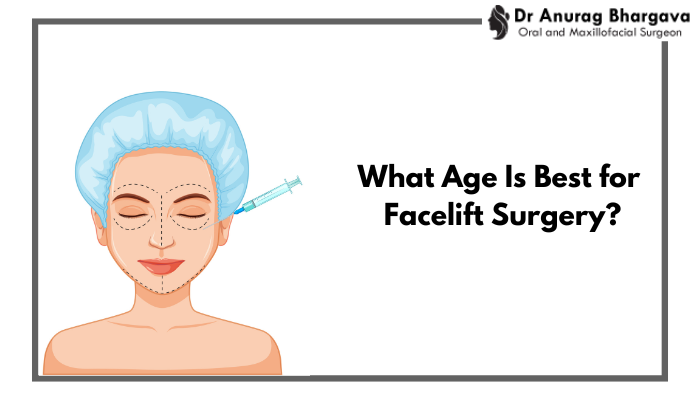
A facelift, also known as rhytidectomy, is a surgical procedure that lifts and tightens sagging facial tissues. It smooths deep folds, reduces jowls, and improves the overall contour of the face and jawline.
It doesn’t stop the aging process, but it can take years off your appearance and help you age more gracefully in the future.
Is There a “Perfect” Age for a Facelift Surgery?
Many people think that facelifts are only for those in their 60s or older. But that’s not always true. The ideal age range for a facelift surgery is often between 40 and 60 years old.
Here’s why:
- In your 40s – Early signs of aging like sagging skin and deepening smile lines start to appear. A facelift at this stage can be subtle yet highly effective.
- In your 50s – Skin laxity becomes more noticeable, and facial volume loss may be significant. A facelift can dramatically restore youthfulness.
- In your 60s and beyond – A facelift can still produce great results, but skin elasticity is usually lower, and healing may take longer.
The earlier you opt for a facelift, the more natural and long-lasting the results can be.
Signs You May Be Ready for a Facelift Surgery
Age alone doesn’t decide whether you’re ready for a facelift surgery. Instead, pay attention to the visible signs your face is showing.
1. Sagging Skin Around the Jawline (Jowls)
If your jawline is losing definition and skin is starting to droop, a facelift can tighten and reshape this area.
2. Deep Nasolabial Folds
These are the lines that run from your nose to the corners of your mouth. When fillers are no longer giving you the desired effect, a facelift may be the solution.
3. Loose Neck Skin (“Turkey Neck”)
If the skin under your chin and neck is sagging, a facelift combined with a neck lift can make a dramatic improvement.
4. Sunken Cheeks and Loss of Facial Volume
A facelift can reposition fat and tissues, restoring youthful fullness to the cheeks.
5. You Feel Your Face Looks Older Than You Feel
Sometimes, the biggest sign is emotional. If your appearance doesn’t match your energy and personality, you might be ready for a facelift.
Why Timing Matters?
The timing of a facelift affects both the results and your satisfaction.
- Too Early – If you have minimal signs of aging, less invasive treatments like dermal fillers, Botox, or skin tightening procedures may be better.
- Too Late – If skin has lost too much elasticity, results may still be good but not as dramatic or long-lasting.
Choosing the right time helps you get the most out of your investment.
Factors That Influence the Right Age for a Facelift
1. Genetics
Some people inherit skin that ages faster or slower. If your parents developed sagging skin early, you might too.
2. Lifestyle
Smoking, sun exposure, poor diet, and lack of skincare can speed up aging, making you a candidate for a facelift sooner.
3. Skin Elasticity
Good skin elasticity helps you heal better and enjoy more natural results. This is often better in your 40s and 50s.
4. Health Condition
Being in good health is important for surgery and recovery, regardless of age.
Alternatives to Consider Before a Facelift
If you’re not quite ready for surgery, non-surgical options may give you temporary improvement:
- Dermal fillers for volume loss
- Botox for wrinkles
- Laser skin resurfacing for texture improvement
- Ultrasound or radiofrequency treatments for mild skin tightening
These won’t give the same dramatic results as a facelift but can delay the need for one.
What to Expect from a Facelift Surgery
- Surgery time – Typically 3 to 5 hours
- Recovery – Swelling and bruising usually subside within 2–3 weeks, but final results may take a few months to fully show.
- Longevity – Results can last 7–10 years, depending on your skin and lifestyle.
Making the Decision
Deciding to have a facelift is personal. It’s not just about looking younger, but about feeling confident in your appearance.
A consultation with a qualified facial plastic surgeon in Indore is the best way to determine if you’re ready. They will assess your skin, facial structure, health history, and goals to give you honest recommendations.
Final Thoughts
The best age for a facelift is different for everyone, but most people see the greatest benefit between 40 and 60 years old. More important than age are the signs of aging you see and how they make you feel.
If sagging skin, deep folds, and loss of facial definition are affecting your confidence, a facelift might be the right choice. When performed by an experienced surgeon, it can help you look naturally youthful and feel more like yourself again.
Key Takeaway – Don’t focus only on age. Pay attention to your skin’s condition, your overall health, and how you feel about your appearance. That’s the real sign you may be ready for a facelift.