
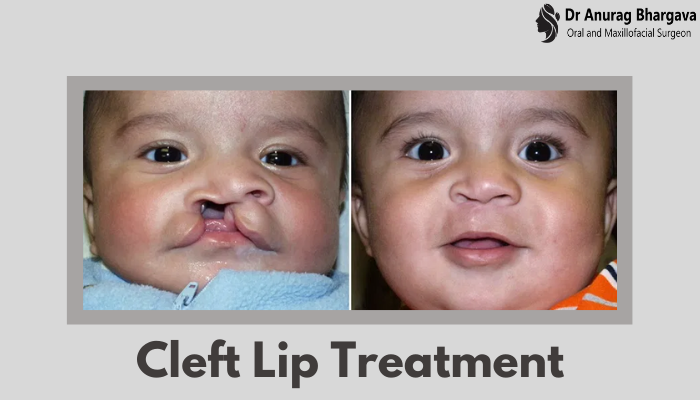
A cleft lip is a facial and oral malformation that occurs at the time period when a baby is developing inside the mother during pregnancy. The reason behind the occurrence of clefting is when there is not enough tissue in the mouth or lip area, and the tissue that is available does not join together properly.
What is Cleft Lip?
A cleft lip is a physical split or separation of the two sides of the upper lip and appears as a narrow opening or gap in the skin of the upper lip. This separation often extends beyond the base of the nose and includes the bones of the upper jaw or upper gum.
Cleft lip affects 700 babies annually and is the most common birth defect. Clefts occur mostly in children of Asian, Latino and Native American descent. Compared to girls, twice as many boys have a cleft lip. A child needs several treatments and assessments as they grow up having a cleft lip. A cleft is usually treated with surgery and other treatments such as speech therapy and dental care.
Cleft Lip Treatment
Children with a cleft lip are provided with a care plan so that their individual needs are met. A typical care plan as the first step of the cleft lip treatment for a child is:
- Birth to 6 weeks - Feeding assistance, support for parents, hearing tests and paediatric assessment
- 3 to 6 months - Surgery to repair a cleft lip
- 6 to 12 months - Speech assessment
- 3 years - Speech assessment
- 5 years - Speech assessment
- 8 to 12 years - Bone graft to repair a cleft in the gum area
- 12 to 15 years - Orthodontic treatment and monitoring jaw growth
Along with this treatment plan, the child is also needed to attend regular outpatient appointments at a cleft centre so his/her condition can be perfectly monitored and the problems can be diagnosed. This is usually required until the child has almost stopped growing, that is when he/she is around 21 years old.
Cleft Lip Surgery
When a baby is around 3 months old, lip repair surgery is usually done. They are given a general anaesthetic, where they are unconscious, and then the cleft lip is repaired and closed with stitches. The operation takes 1 to 2 hours usually. Most babies are required to stay in the hospital for two days and arrangements are made for their parents too to stay with them. The stitches are removed after two days or they automatically dissolve on their own. The child might have a slight scar and it is being tried to line up with the natural line of lips by the surgeon to make it less noticeable. After some time, it fades away and becomes a little less obvious.
At a later stage, additional surgery is also done in some cases around 8 to 12 years of age to repair a cleft in the gum using a piece of a bone graft. If the original surgery is not healing that well and there are ongoing speech problems, then to improve the appearance and functions of the lips, this additional surgery is important. It is also done to improve the shape of the nose and appearance of the jaw as some children born with a cleft lip may have a small or ‘set-back’ lower jaw.
The goal of a cleft lip surgery is to restore normal appearance and function to the upper lip. Cleft lip surgery is generally recommended for three to four months of life. In most cases, the tissue in the area surrounding the cleft is rearranged to close the opening. A muscle of the lip is detached and re-positioned to recreate the circular muscle around the mouth.
Speech Treatment
The majority of children born with a cleft lip will need speech-language therapy at some point in their life. A speech-language pathologist is the healthcare professional that provides speech-language therapy, which may be in the medical setting, school setting, private clinic, or home-based intervention program. To provide the child with the knowledge and skills to achieve normal speech and communication for their age or developmental level is the goal of this therapy.
Orthodontic Treatment and Dental Care
It is common for teeth on either side of the cleft in the gum area to be tilted or out of position. There may be an extra tooth, or there might be a tooth missing. So it is important to register the child with a paediatric dentist as he/she will keep a good check on the health of the child’s teeth and recommend necessary treatment.
Orthodontic treatment is also crucial as it helps in improving the alignment and appearance of the teeth. This includes straightening the teeth with the help of braces or other dental appliances. Children with a cleft are likely to have tooth decay, so it’s important that they practise good oral hygiene.
Psychological and Emotional Support for Children with Cleft Lip
Living with a cleft lip can affect a child's confidence, especially as they grow older and begin to interact more socially. While surgery and therapy can help with physical concerns, emotional well-being is equally important.
- Parental support and reassurance play a crucial role.
- Counseling or therapy may be needed to help the child cope with self-esteem issues, bullying, or anxiety.
- Support groups and connecting with other families going through similar experiences can provide a sense of community and reduce feelings of isolation.
Encouraging open communication within the family and involving the child in decisions about their care as they grow older can also empower them and improve mental well-being.
Role of a Multidisciplinary Cleft Care Team
Cleft lip treatment involves more than one specialist. A multidisciplinary cleft care team ensures every aspect of the child's health and development is monitored and treated appropriately.
This team may include:
- Plastic surgeon
- Pediatrician
- Speech-language therapist
- Orthodontist
- Audiologist
- ENT specialist
- Psychologist or counselor
- Nutritionist
This collaborative approach ensures a tailored treatment plan based on the child’s needs at every stage of development.
Nutrition and Feeding Considerations
Feeding a baby with a cleft lip can be challenging, especially in the early weeks. Special feeding bottles and nipples are often required to ensure the baby gets proper nutrition.
Parents may need guidance from a lactation consultant or pediatric dietitian to:
- Choose the right feeding tools
- Learn proper feeding positions
- Monitor for any signs of choking or weight loss
Good nutrition is critical for healing after surgery and supporting overall growth and development.
Long-Term Monitoring and Follow-Up
Even after surgical and therapeutic interventions, ongoing monitoring is essential. Children born with a cleft lip may continue to need:
- Regular dental checkups
- Continued orthodontic evaluations into teenage years
- Speech therapy as needed
- Psychological assessments to support emotional well-being
Some individuals may also opt for cosmetic revision surgeries in their late teens or adulthood for improved facial symmetry or function.
Adult Care and Transition
As children with cleft lip grow into adulthood, they may still require support or elective procedures. A smooth transition from pediatric to adult care ensures that:
- Any residual functional issues (such as nasal airflow or speech) are addressed
- Emotional or psychological concerns are supported
- Final orthodontic work or cosmetic enhancements can be considered
Encouraging young adults to be involved in their own care decisions builds confidence and independence.
Conclusion
Cleft lip is a treatable condition with a high success rate when managed early and effectively. With timely surgery, speech therapy, dental care, and emotional support, children with cleft lip can lead healthy, confident, and fulfilling lives. It’s crucial for parents to stay informed and engaged with the multidisciplinary cleft care team to ensure the best possible outcome for their child.